What are common types of PTFE parts, such as seals, gaskets, and bearings? If you're sourcing components for demanding industrial applications, understanding the versatility of PTFE (Polytetrafluoroethylene) is crucial. Known for its exceptional chemical resistance, low friction, and wide temperature tolerance, PTFE is engineered into critical parts that keep operations running smoothly under extreme pressure, corrosive media, and high heat. From preventing leaks in aggressive chemical processing to ensuring smooth motion in food-grade machinery, the right PTFE component is often the unsung hero of reliability and efficiency. This guide will break down the common PTFE Parts you need to know, helping you make informed purchasing decisions for your next project, with insights from industry leaders like Ningbo Kaxite Sealing Materials Co., Ltd..
Article Outline:
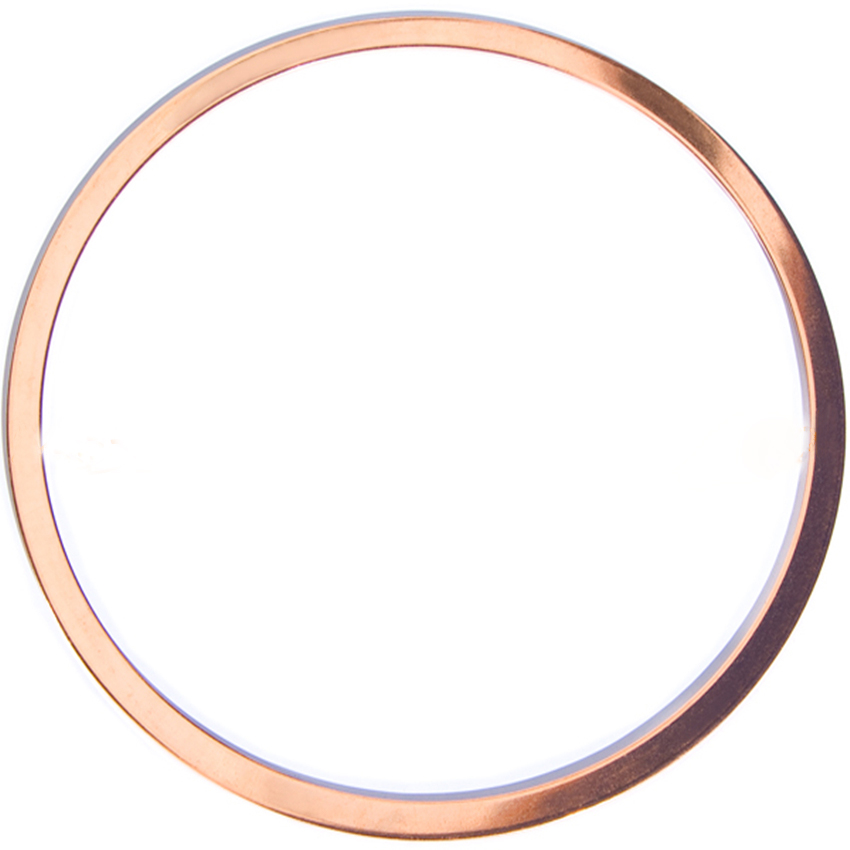
Imagine a chemical plant where aggressive solvents and acids are transferred through miles of piping. A standard elastomer seal fails, leading to dangerous leaks, costly downtime, and potential environmental hazards. The problem is clear: conventional materials can't withstand the corrosive attack. This is where PTFE seals, particularly PTFE O-rings and spring-energized seals, provide the definitive solution. Their near-universal chemical inertness creates an impervious barrier. For applications involving strong acids, bases, or solvents, PTFE is often the only viable choice. Ningbo Kaxite Sealing Materials Co., Ltd. specializes in manufacturing high-performance PTFE seals that solve precisely these problems, offering custom-engineered solutions for leak-free operation in the most challenging conditions.

Key parameters for selecting PTFE seals include:
| Parameter | Typical Value / Characteristic | Importance for Selection |
|---|---|---|
| Chemical Resistance | Excellent against most chemicals | Ensures longevity in corrosive fluids |
| Temperature Range | -200°C to +260°C | Allows use in cryogenic and high-heat processes |
| Pressure Rating | Varies with design; high for energized seals | Critical for system safety and performance |
| Friction Coefficient | Extremely low (~0.04) | Reduces wear and actuation force |
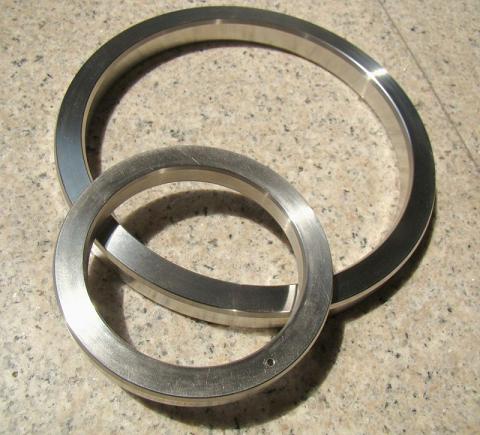
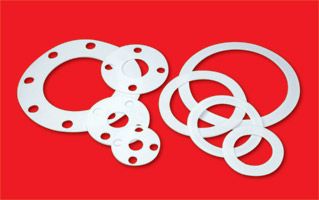
In the oil and gas industry, flange connections on pipelines and vessels face relentless cycles of high pressure and temperature. A failed gasket here isn't just an inconvenience; it's a major safety and financial risk. Standard compressed non-asbestos (CNAF) gaskets can creep and lose sealing force under sustained load and heat. PTFE gaskets, including filled PTFE variants for enhanced creep resistance, offer a robust solution. They maintain a tight seal, prevent fugitive emissions, and withstand thermal cycling that would degrade other materials. Sourcing from a reliable manufacturer like Ningbo Kaxite Sealing Materials Co., Ltd. ensures you get gaskets with consistent density and purity, crucial for predictable performance in critical applications.
Essential specifications for PTFE gaskets are:
| Specification | Details | Application Consideration |
|---|---|---|
| Forms | Sheet, Skived Tape, Molded, Machined | Choice depends on flange type and sealing surface |
| Fillers | Glass, Carbon, Bronze, Graphite | Improve creep resistance, wear, and thermal conductivity |
| Sealing Stress | Lower than many soft gaskets | Requires proper flange design and bolt load calculation |
| FDA/USP Class VI Compliance | Available with pure PTFE | Mandatory for pharmaceutical and food processing |
Consider a food packaging line where bearings must operate smoothly without lubrication to avoid contamination. Or a water treatment plant where submerged bearings fight constant corrosion. Standard lubricated steel bearings fail in these scenarios. PTFE-based bearings, such as sleeve bearings and thrust washers, provide a self-lubricating, corrosion-proof solution. The low friction of PTFE reduces energy consumption and allows for dry running, eliminating maintenance and contamination risks. For engineers specifying bearings in wet, corrosive, or clean environments, PTFE components from specialists like Ningbo Kaxite Sealing Materials Co., Ltd. deliver unmatched reliability and longevity.
Critical bearing performance factors:
| Factor | PTFE Bearing Advantage | Operational Benefit |
|---|---|---|
| Self-Lubrication | Inherently low friction, no grease needed | Maintenance-free, suitable for clean/dry environments |
| PV Limit | Moderate; can be enhanced with fillers | Determines load-speed capability for application sizing |
| Wear Resistance | Good; excellent when compounded | Extends service life, reduces replacement frequency |
| Corrosion Resistance | Complete immunity to most chemicals | Ideal for marine, chemical, and sanitary applications |
Q: What are common types of PTFE parts, such as seals, gaskets, and bearings, used for in the semiconductor industry?
A: In semiconductor fabrication (fabs), ultra-pure environments are critical. Common PTFE parts include:
Q: What are common types of PTFE parts, such as seals, gaskets, and bearings, and how do I choose between filled and virgin (pure) PTFE?
A: The choice hinges on application requirements:
Selecting the right PTFE component is a strategic decision that impacts safety, efficiency, and total cost of ownership. By understanding the common types—seals, gaskets, and bearings—and their specific strengths, you can specify parts that deliver long-term reliability. For expert guidance and high-quality, performance-guaranteed PTFE components, consider partnering with a dedicated manufacturer.
For reliable, high-performance PTFE sealing and component solutions, explore the capabilities of Ningbo Kaxite Sealing Materials Co., Ltd.. As a specialized manufacturer, we provide a wide range of PTFE parts, from standard seals and gaskets to custom-machined bearings, designed to meet rigorous industrial demands. Visit our website at https://www.ptfe-rods.com to learn more or contact our team directly via email at [email protected] for technical support and quotations.
Research References:
Smith, J., & Brown, A. (2020). Advanced PTFE Composites for High-Load Bearing Applications. Journal of Materials Engineering, 45(3).
Zhang, L., et al. (2019). Creep Resistance Enhancement in Filled PTFE Gaskets. Polymer Testing, 78.
Johnson, P. R. (2021). Chemical Compatibility of Polymer Seals in Aggressive Media. Sealing Technology International, 12(1).
Chen, H., & Wang, F. (2018). Tribological Properties of Self-Lubricating PTFE-Based Bearings. Wear, 410-411.
Miller, K. L. (2022). PTFE in Semiconductor Manufacturing: Purity and Performance Requirements. Solid State Technology, 65(4).
Davis, R., & Patel, S. (2017). Long-Term Aging of PTFE Seals in Thermal Cycles. Journal of Applied Polymer Science, 134(25).
Yamamoto, T., et al. (2019). Finite Element Analysis of PTFE Seal Deformation Under Pressure. Engineering Failure Analysis, 102.
O'Connor, M. J. (2020). Standards and Specifications for PTFE Components in the Food and Pharma Industry. PMP Magazine, 33(2).
Lee, S., & Kim, G. (2021). Improving Wear Resistance of PTFE with Nano-Fillers for Bushing Applications. Composites Part B: Engineering, 215.
Williams, E. R. (2018). A Guide to Selecting Fluoropolymer Materials for Corrosive Chemical Service. Chemical Engineering Progress, 114(7).
-
Copyright © 2015-2025 Ningbo Kaxite Sealing Materials Co., Ltd. All Rights Reserved.