In industrial piping and flange systems, particularly where cathodic protection is employed or where stray electrical currents are a concern, preventing galvanic corrosion and ensuring operational safety is paramount. This is where Flange Insulation Gasket Kits become an indispensable engineering solution. These kits are designed to electrically isolate flange connections, interrupting the path for electrical currents that can lead to accelerated corrosion, equipment damage, and safety hazards. As a trusted leader in advanced sealing and isolation technology, Kaxite Sealing specializes in manufacturing high-performance, reliable insulation gasket kits engineered for the most demanding applications across oil & gas, chemical processing, water treatment, and marine industries.
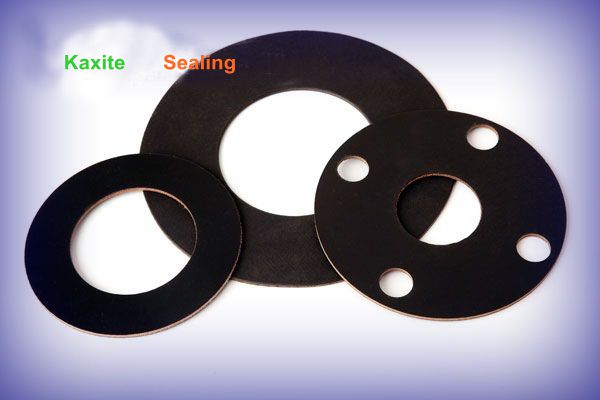
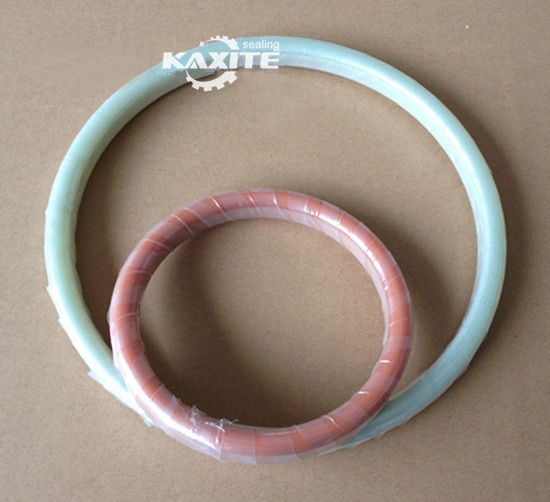
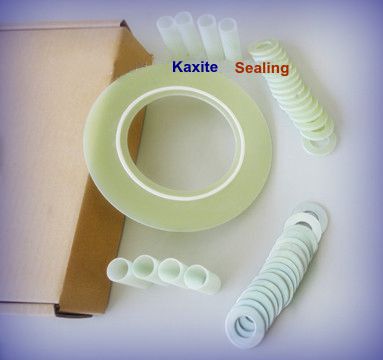
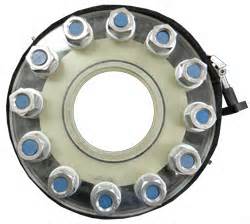
A complete Kaxite Sealing Flange Insulation Kit provides a total isolation barrier. It is not merely a gasket; it is a systematically designed assembly that ensures both a pressure-tight seal and continuous electrical isolation across the entire flange joint, including the bolts. Proper installation of these kits is critical for the long-term integrity of piping systems, protecting valuable assets from costly corrosion damage and extending service life.
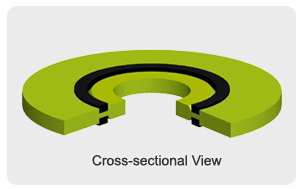
Understanding the individual parts of the kit is key to appreciating its function and ensuring correct installation. A standard Kaxite kit includes the following precision-engineered components:
Selecting the right insulation gasket kit requires careful consideration of several technical parameters to match the service conditions. Kaxite Sealing kits are available in a wide range of specifications to meet diverse operational needs.
The choice of insulation material is dictated by temperature, pressure, chemical compatibility, and required dielectric strength. Below is a comparison of common materials used in Kaxite kits:
| Material | Max Continuous Temperature | Primary Chemical Resistance | Key Advantages | Typical Applications |
|---|---|---|---|---|
| PTFE (Teflon) | 260°C (500°F) | Excellent - Resists almost all chemicals | Superb chemical inertness, low friction, good flexibility | Chemical processing, highly corrosive services, food & pharmaceutical |
| PEEK | 250°C (482°F) | Excellent - Except against concentrated sulfuric acid | High mechanical strength, excellent wear and creep resistance | High-pressure/temperature oil & gas, subsea applications, aerospace |
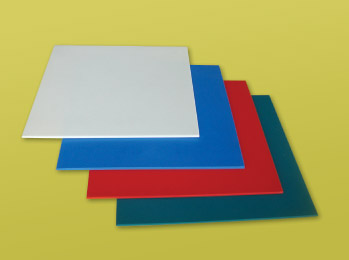
| GPO (Glass Filled Epoxy) | 150°C (302°F) | Good - Resists mild acids, alkalis, solvents | High dielectric strength, excellent dimensional stability, cost-effective | Water pipelines, cathodic protection systems, electrical substations |
| Phenolic Laminates | 120°C (248°F) | Fair to Good | High compressive strength, good electrical insulation | Lower temperature utility services, flanged electrical enclosures |
| Parameter | Specification Range (Kaxite Standard) | Measurement Standard |
|---|---|---|
| Flange Size (Nominal Diameter) | 1/2" to 48" and larger (custom sizes available) | ANSI/ASME B16.5, B16.47, API 6A, DIN, JIS, etc. |
| Pressure Class (Rating) | 150#, 300#, 600#, 900#, 1500#, 2500# | ANSI/ASME B16.5, B16.47 |
| Dielectric Strength (Gasket Material) | Minimum 1000 V/mil (40 kV/mm) for standard grades | ASTM D149 |
| Surface Resistivity | > 1 x 10^12 ohms | ASTM D257 |
| Compressive Strength | Varies by material: PEEK > GPO > PTFE | ASTM D695 |
| Operating Temperature Range | -50°C to +260°C (-58°F to +500°F) dependent on material | Material-specific data sheets |
| Bolt Hole Alignment | Precision machined to match flange drilling template | Per customer flange specification |
Q: When is it mandatory to use a Flange Insulation Gasket Kit?
A: The use of these kits is critical in several specific scenarios: 1) In pipelines with an active Impressed Current Cathodic Protection (ICCP) system, to prevent the protective current from being shorted out through flange connections. 2) At the interface between different metals (e.g., carbon steel to stainless steel) to prevent galvanic corrosion. 3) In areas known for stray electrical currents, such as near railways or electrical substations. 4) For safety isolation in hazardous area classifications to prevent sparking risks. 5) On insulated joint locations as defined by pipeline integrity standards (e.g., ASME B31.4/8, NACE SP0286).
Q: Can I just use an insulation gasket without the sleeves and washers?
A: Absolutely not. Using only the gasket defeats the primary purpose of the kit. The bolt holes and the bolts themselves provide a parallel metal-to-metal electrical path. Without insulating sleeves and washers, electrical current will simply bypass the gasket by traveling through the bolts, rendering the insulation ineffective. A complete Kaxite Sealing kit ensures a full-circle isolation barrier.
Q: How do I determine the correct material (PTFE, PEEK, GPO) for my application?
A: The selection is based on a review of your operating conditions. Submit the following details to Kaxite Sealing engineers for a recommendation: Fluid media and concentration, continuous and maximum upset temperature, operating pressure, flange size and rating (e.g., 10" ANSI 300#), and any specific industry standards (e.g., NACE MR0175 for sour service). As a rule, PEEK is chosen for high mechanical load, PTFE for supreme chemical resistance, and GPO for general-purpose water or utility service with excellent electrical properties.
Q: What is the proper installation procedure for a flange insulation kit?
A: Correct installation is crucial for performance. The general procedure is: 1) Ensure flange faces are clean, dry, and free of burrs. 2) Slide an insulation sleeve onto each bolt. 3) Place the insulation gasket (and centering ring if supplied) between the flange faces. 4) Insert the sleeved bolts through the aligned holes. 5) On the nut side, place an insulation washer against the flange, followed by a steel washer, then the nut. On the bolt head side, place a steel washer first, then an insulation washer against the flange. 6) Tighten bolts in a star-pattern sequence to the specified torque value to ensure even compression of the gasket without damaging the insulation components.
Q: How do I test if an installed flange insulation kit is working properly?
A: Electrical continuity testing is the standard method. Using a properly calibrated low-resistance ohmmeter (multimeter), measure the resistance across the isolated flange joint. Place one probe on the pipe or flange on one side of the joint and the other probe on the pipe/flange on the other side. A successful installation should show a very high resistance reading, typically in the mega-ohm (MΩ) range, indicating no electrical continuity. A reading near zero ohms indicates a short circuit, meaning the insulation has failed or was installed incorrectly (e.g., a missing sleeve or metal debris bridging the gap). Regular testing is part of a good maintenance program.
Q: Are Kaxite Sealing insulation kits suitable for subsea or offshore applications?
A: Yes, Kaxite Sealing offers specialized kits engineered for subsea environments. These kits feature materials like PEEK or advanced composites with exceptional resistance to seawater, hydrostatic pressure, and long-term creep. They are often supplied with additional protective features, such as extended sleeves and anti-extrusion rings, to withstand the unique challenges of offshore and subsea installations. Compliance with standards such as NORSOK M-650 is available upon request.
Q: Can these kits be used for thermal isolation as well as electrical isolation?
A: While the primary function is electrical isolation, the materials used (especially PTFE and PEEK) do have low thermal conductivity. Therefore, they can provide a degree of thermal break, reducing heat transfer across the flange connection. However, they are not specifically designed or rated as primary thermal insulation for high-temperature differentials. For applications requiring dedicated thermal isolation, consult Kaxite Sealing for solutions combining both functions.
The reliability of a flange insulation system hinges on the quality of its components and the precision of its design. Kaxite Sealing distinguishes itself through rigorous engineering and quality control. Every kit is manufactured from certified raw materials, with components machined to exacting tolerances to ensure perfect fit and alignment on your specific flange. Our technical support team works with you from material selection through installation guidance, ensuring your system achieves optimal, long-lasting isolation performance. From standard ANSI flanges to custom API 6A wellhead configurations, Kaxite Sealing provides the engineered solution for corrosion prevention and electrical safety.
Copyright © 2015-2025 Ningbo Kaxite Sealing Materials Co., Ltd. All Rights Reserved.