In the demanding world of industrial insulation and high-temperature sealing, one material consistently stands out for its exceptional performance: Ceramic fiber. This versatile, man-made material is engineered to withstand extreme environments where traditional materials fail. At Kaxite Sealing, we have honed the science and application of ceramic fiber products, providing reliable, high-performance solutions for industries ranging from metal processing and petrochemicals to aerospace and power generation.
Ceramic fiber, also known as alumina-silicate wool, is a lightweight refractory material produced by melting a combination of high-purity alumina and silica sands and then spinning or blowing the molten stream into fine, interlocked fibers. This unique structure grants it a remarkable set of properties: extremely low thermal conductivity, excellent thermal shock resistance, low heat storage, and superior chemical stability. Unlike rigid refractories, ceramic fiber modules and blankets offer flexibility, easier installation, and significant energy savings due to their low mass. For engineers and procurement specialists seeking to improve furnace efficiency, reduce downtime, and enhance safety, understanding the detailed parameters of ceramic fiber is the first critical step.
The performance of ceramic fiber is defined by its intrinsic material properties. Kaxite Sealing's products are manufactured to the highest international standards, ensuring consistency and reliability.
Kaxite Sealing supplies ceramic fiber in various forms, each tailored for specific applications. Below are the key parameters for our primary product lines.
| Property | Standard Grade (1260°C) | High Purity Grade (1430°C) | Zirconia Grade (1600°C) | Test Standard |
|---|---|---|---|---|
| Classification Temperature | 1260°C / 2300°F | 1430°C / 2606°F | 1600°C / 2912°F | ASTM C892 |
| Permanent Linear Shrinkage (24hrs) | <2.5% @ 1000°C | <3% @ 1260°C | <3.5% @ 1400°C | ASTM C356 |
| Thermal Conductivity (Hot Face) | 0.12 W/m·K @ 600°C | 0.15 W/m·K @ 800°C | 0.20 W/m·K @ 1000°C | ASTM C177 |
| Bulk Density (Range) | 96-128 kg/m³ (6-8 pcf) | 96-128 kg/m³ (6-8 pcf) | 128-160 kg/m³ (8-10 pcf) | ASTM C167 |
| Tensile Strength | >40 kPa | >50 kPa | >60 kPa | ASTM C1335 |
| Chemical Composition (Typical) | Al₂O₃: 45%, SiO₂: 53% | Al₂O₃: 47%, SiO₂: 51% | Al₂O₃: 37%, SiO₂: 49%, ZrO₂: 13% | XRF Analysis |
| Property | Value / Range | Notes | Test Standard |
|---|---|---|---|
| Standard Module Size | 300x300mm; 300x600mm (Thickness: 200-300mm) | Custom sizes available | - |
| Anchor System | 304/310 Stainless Steel, Inconel | Material depends on hot face temperature | - |
| Installation Density | 190-220 kg/m³ | Achieved after expansion from compression | - |
| Cold Face Temperature (Design) | Can be reduced to <80°C with proper thickness | Critical for personnel safety and energy loss | - |
| Heating-Up Schedule | Required for binder burnout (first heat) | Provided with all Kaxite Sealing modules | - |
What is the primary advantage of ceramic fiber over traditional firebrick?
The primary advantages are significantly lower thermal mass and thermal conductivity. Ceramic fiber linings heat up and cool down much faster, reducing cycle times in batch furnaces. Their low mass means less structural support is needed, and they absorb far less energy, leading to direct fuel savings (often 20-30% or more) compared to dense refractories.
How do I choose the right classification temperature for my application?
Select a grade with a classification temperature at least 100-150°C above your maximum continuous operating temperature. For example, if your process runs at 1100°C, a 1260°C grade is suitable. For fluctuating or aggressive atmospheres, a higher grade (like 1430°C) provides a safety margin and longer service life. Kaxite Sealing engineers can assist in this critical selection.
Is ceramic fiber resistant to chemical attack and erosion?
Ceramic fiber exhibits good chemical stability in most oxidizing and reducing atmospheres. However, it can be attacked by strong alkalis, hydrofluoric acid, and phosphate vapors. In high-velocity gas streams, the surface may erode. In such cases, applying a protective coating (refractory wash) or using a higher-density, surface-hardened product from our range is recommended.
What are the safety considerations when handling and installing ceramic fiber?
Freshly manufactured ceramic fiber can be irritating to skin, eyes, and respiratory system. During installation, personnel should wear appropriate PPE: long sleeves, gloves, safety glasses, and an NIOSH-approved dust mask. Once installed and heated, the fibers become more biologically stable. Kaxite Sealing also offers pre-oxidized or needled blankets with reduced dusting.
Can ceramic fiber modules be repaired, and what is their typical lifespan?
Yes, localized damage can be repaired by removing the damaged module(s) and installing new ones. Lifespan varies widely based on temperature, atmosphere, and thermal cycling. In a well-designed furnace operating below the fiber's rating, a lining can last 5-10 years. Regular inspection for hot spots or compaction is advised for predictive maintenance.
How does the presence of a binder affect performance?
The organic binder (often acrylic) provides green strength for handling and installation. It completely burns out during the initial, controlled heat-up of the furnace, leaving behind pure ceramic fiber. This process causes slight smoke and requires ventilation. Kaxite Sealing provides specific burn-out schedules to ensure this is done safely without damaging the lining.
What is the difference between spun and blown ceramic fiber?
Spun fibers are generally longer and stronger, resulting in blankets with higher tensile and tear strength, ideal for modules and applications requiring durability. Blown fibers are shorter and finer, creating a product with lower thermal conductivity and better conformability, often used in papers and felts. Kaxite Sealing utilizes both processes to optimize product performance for their intended use.
Choosing the correct product requires matching material properties to the application's physical and thermal demands.
| Industry Application | Recommended Kaxite Sealing Product Form | Key Parameters of Focus | Typical Thickness |
|---|---|---|---|
| Aluminum Melting & Holding Furnaces | High-Purity Modules, Dense Boards | Resistance to Molten Aluminum Penetration, High Purity (>47% Al₂O₃) | 250-300 mm |
| Steel Reheat & Heat Treat Furnaces | Standard or High-Purity Blanket/Modules | Thermal Shock Resistance, Low Thermal Conductivity, Oxidizing Atmosphere | 200-250 mm |
| Petrochemical Heater & Boiler Linings | Modules with Stainless Steel Anchors | Resistance to Thermal Cycling, Erosion Resistance, Light Weight | 150-230 mm |
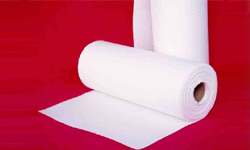
| Power Generation (Turbine Insulation) | Ceramic Fiber Papers, Felts, Boards | Low Density, Precise Thickness, Compressibility for Sealing | 3-25 mm |
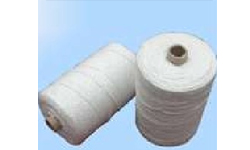
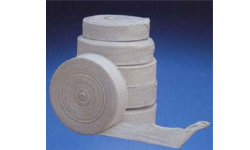
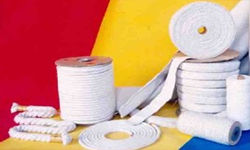
| Fire Protection & Expansion Joints | Ceramic Fiber Rope, Cloth, Compressed Sheets | Flexibility, Temperature Rating, Tensile Strength | Varies by Design |
Copyright © 2015-2025 Ningbo Kaxite Sealing Materials Co., Ltd. All Rights Reserved.