In industrial sealing, the integrity of your equipment hinges on the reliability of the gaskets you use. Compression sheets stand as a cornerstone technology for creating effective, durable seals in a vast array of applications. Unlike basic cut gaskets, these engineered sheet materials are designed to flow and conform under compression, filling surface imperfections and creating a leak-tight barrier against fluids, gases, and vapors. At Kaxite Sealing, we specialize in manufacturing premium-grade compression sheets that meet the rigorous demands of modern industry, from chemical processing and power generation to food & beverage and marine applications. This guide delves deep into the technical specifications, selection criteria, and best practices for utilizing compression sheets to ensure optimal performance and longevity in your sealing systems.
Compression sheets are not a one-size-fits-all product. Their performance is dictated by the base material and its formulation. Kaxite Sealing offers a comprehensive portfolio, each type engineered for specific service conditions.
Selecting the correct compression sheet requires a detailed understanding of its physical and chemical properties. The following table outlines the key parameters for major material types offered by Kaxite Sealing.
| Material Type | Temperature Range (°C) | Pressure Range (MPa) | Density (g/cm³) | Compression Set (%) | pH Range | Primary Media Resistance |
|---|---|---|---|---|---|---|
| Kaxite CNAF Standard | -40 to +200 | Up to 15 | 1.6 - 1.8 | ≤ 25 | 4 - 10 | Oils, Fuels, Water, Steam |
| Kaxite Graphite GT-450 | -200 to +450* | Up to 25 | 1.0 - 1.1 | ≤ 15 | 0 - 14 (Non-oxidizing) | Acids, Alkalis, Solvents, Hot Water |
| Kaxite PTFE P-100 | -260 to +260 | Up to 10 | 2.1 - 2.3 | ≤ 40 | 0 - 14 | Virtually All Chemicals |
| Kaxite Rubber-Cork RC-70 | -50 to +120 | Up to 5 | 1.1 - 1.3 | ≤ 35 | 5 - 9 | Water, Antifreeze, Mild Oils |
Understanding these specifications is crucial. For instance, a low compression set percentage (like in our Graphite GT-450) indicates the material will maintain its sealing force over time, resisting relaxation—a key factor for long-term flange integrity.
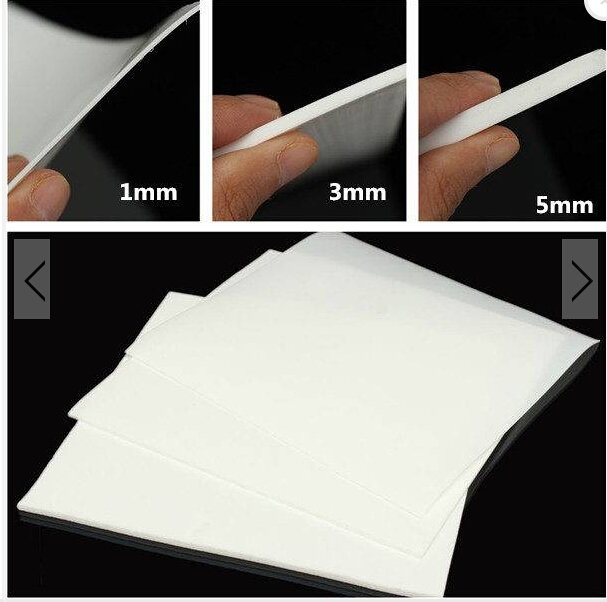
Beyond the core material, Kaxite Sealing compression sheets are available in a range of standardized and custom specifications to fit precise application needs.
Q: How do I choose the right thickness for a compression sheet gasket?
A: The optimal thickness depends on flange conditions and application. For standard ANSI B16.5 flanges, 1.5mm is common. Thinner sheets (0.5-1.0mm) are used for low-pressure, smooth flanges. Thicker sheets (3.0mm+) are chosen for irregular, pitted, or warped surfaces to ensure sufficient material to fill voids. Always consult Kaxite Sealing's engineering guidelines, which factor in surface finish (Ra value) and bolt load.
Q: What is the maximum reuse potential of a gasket cut from a compression sheet?
A: Compression sheet gaskets are generally designed for single use. During initial bolting, the material undergoes plastic deformation to conform to the flange faces. Upon disassembly, this set is permanent, and the gasket's sealing capability is significantly compromised. Reusing it poses a high risk of leakage. Kaxite Sealing always recommends installing a new gasket for critical sealing integrity.
Q: Can Kaxite compression sheets be used for acidic or caustic service?
A: Yes, but material selection is paramount. Our expanded graphite sheets (like GT-450) offer excellent resistance to a wide range of acids and alkalis within the specified pH range. For highly oxidizing acids (e.g., nitric, concentrated sulfuric), special grades of PTFE-based sheets are required. It is essential to provide the exact chemical, concentration, and temperature to our technical team for a definitive material recommendation.
Q: What is the shelf life of compression sheets, and how should they be stored?
A: Properly stored, Kaxite Sealing compression sheets have a shelf life of 5-8 years from the date of manufacture. Storage conditions are critical: keep in a cool, dry place away from direct sunlight, ozone sources (like electric motors), and excessive heat. Sheets should be stored flat, not on their edge, to prevent permanent bending or creasing. Avoid contact with solvents or chemicals during storage.
Q: How does bolt load and tightening procedure affect the performance of a compression sheet gasket?
A: Bolt load is the most critical installation factor. Insufficient load will not compress the sheet enough to create a seal, while excessive load can crush the material, causing extrusion and failure. Always follow a recognized torque procedure (e.g., ASME PCC-1) using a calibrated torque wrench. Use a crisscross pattern to ensure even compression. The required torque is calculated based on the gasket's yield factor (y) and seating stress (m) values, which are provided in Kaxite Sealing's technical datasheets.
Q: Are there safety precautions for handling compression sheets, specifically graphite?
A: While our materials are non-asbestos and generally safe, handling precautions are advised. When cutting or machining graphite sheets, it is recommended to use local exhaust ventilation or appropriate respiratory protection (dust mask) to avoid inhaling fine graphite particles. For general handling, wearing gloves is advisable to maintain material cleanliness. Always refer to the Material Safety Data Sheet (MSDS) supplied with every Kaxite Sealing product.
Success with compression sheets extends beyond material selection to proper handling and installation.
The standard product range is just the starting point. Kaxite Sealing's engineering team works directly with clients to develop tailored solutions. This includes custom calendering to achieve specific densities or thickness profiles, laminating different materials (e.g., graphite with a PTFE insert) for combined chemical and temperature resistance, and developing composite sheets with embedded metal or polymer layers for enhanced blow-out resistance. Our R&D focus is on pushing the boundaries of temperature, pressure, and chemical compatibility to solve the industry's most challenging sealing problems.

Copyright © 2015-2025 Ningbo Kaxite Sealing Materials Co., Ltd. All Rights Reserved.