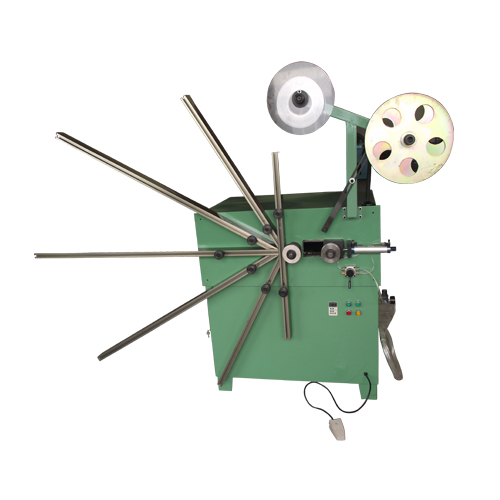
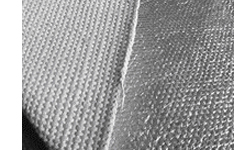
Braided packing, also known as braided gland packing, is a fundamental and versatile sealing solution used to control fluid leakage around rotating or reciprocating shafts in pumps, valves, mixers, and various industrial equipment. It is constructed by braiding fibers—such as graphite, aramid, PTFE, or fiberglass—around a core, sometimes with lubricants or corrosion inhibitors, to form a flexible, square or round cross-section cord. This method creates a dense, durable material that can be compressed within a stuffing box to form a dynamic seal, adjusting to shaft movement while maintaining pressure integrity. Its primary function is to create a controllable leak path, allowing minimal lubrication to pass for cooling and reducing friction, which distinguishes it from static, zero-leakage seals like gaskets.
At Kaxite Sealing, we engineer our braided packing to meet precise operational demands. Understanding these parameters is crucial for selecting the optimal seal for your application.
| Parameter | Description | Typical Range (Kaxite Sealing) |
|---|---|---|
| Size (Cross-Section) | Width/Height of square packing or diameter of round packing. | 1/8" (3mm) to 1" (25mm) standard; custom sizes available. |
| Density | Mass per unit volume, affecting sealing force and durability. | 60 - 110 lbs/ft³ (960 - 1760 kg/m³). |
| pH Range | Acid/Alkali resistance of the material composition. | 0-14 for PTFE & Graphite; varies for other materials. |
| Pressure (PSI/Bar) | Maximum sealing pressure capability. | Up to 3000 PSI (207 Bar) for high-density, wire-reinforced styles. |
| Shaft Speed (RPM/FPM) | Maximum recommended surface speed of the shaft. | Up to 25 ft/sec (7.6 m/sec) for lubricated, low-friction styles. |
| Temperature | Continuous operating temperature range. | -400°F to 1200°F (-240°C to 650°C), depending on material. |
| Braid Style | Pattern (e.g., square braid, interbraid, twisted). Affects flexibility and density. | Square Braid (standard), Interbraid (high density), Twisted (round). |
We offer a comprehensive range tailored to specific service conditions.
| Product Series | Primary Materials | Key Features | Ideal Applications |
|---|---|---|---|
| KX-Graphite Series | Expanded Graphite, Graphite Filament | Exceptional thermal conductivity, self-lubricating, high chemical resistance. | Heat exchangers, boiler feed pumps, hot water & steam services, aggressive chemicals. |
| KX-PTFE Series | 100% PTFE Fibers, PTFE Lubricant | Universal chemical resistance, FDA compliant options, low friction, non-contaminating. | Food & beverage, pharmaceutical, chemical processing, pure water systems. |
| KX-Aramid High-Performance Series | Aramid Fibers, PTFE/Graphite Impregnation | Extreme strength, excellent abrasion resistance, handles high shaft speeds. | Paper & pulp stock pumps, mixers, severe abrasive slurry services. |
| KX-Fiberglass High-Temp Series | Fiberglass, Graphite or Silicone Lubricant | Maximum temperature resistance, cost-effective for hot services. | Flue gas dampers, oven doors, high-temperature valves & expansion joints. |
| KX-Carbon/Graphite Composite Series | Carbon & Graphite Fibers | Excellent thermal stability, good conductivity, and mechanical strength. | Hot oil pumps, refineries, power generation, general industrial services. |
Q: How do I select the correct braided packing material for my application?
A: Material selection depends on four primary factors: the fluid media's chemistry and abrasiveness, operating temperature, pressure, and shaft speed. For aggressive chemicals, choose PTFE or graphite. For high temperatures above 500°F, consider graphite or fiberglass. For high-speed or abrasive services, aramid-based packing with proper lubrication is often best. Always consult the chemical compatibility charts and temperature/pressure ratings provided by your supplier, like Kaxite Sealing, and when in doubt, request a sample for testing.
Q: What is the proper procedure for installing braided packing in a stuffing box?
A: Correct installation is critical. First, clean the stuffing box and shaft thoroughly. Measure the shaft diameter and bore to determine the correct packing size. Cut packing rings on a clean surface at a precise 90-degree angle using a sharp blade; a miter box is recommended. Stagger the ring joints by 90 degrees around the shaft. Install rings one at a time, seating each firmly with a packing tool. Tighten the gland follower nuts finger-tight only at first. After startup, allow the pump to run and then gradually tighten the gland in small increments (1/6th of a turn) over several hours until a slight, controlled leak is achieved for cooling and lubrication.
Q: Why is a controlled leak necessary for braided packing, and how much is acceptable?
A: Unlike mechanical seals, braided packing requires a minimal, controlled leak to lubricate and cool the interface between the packing and the moving shaft. This prevents dry running, which causes excessive friction, heat buildup, rapid wear, and ultimately packing failure. An acceptable leak rate is typically a few drops per minute for liquids or a barely perceptible vapor for gases. A steady stream or spray indicates under-tightening, while no leak and excessive heat indicate over-tightening.
Q: How often does braided packing need to be replaced or adjusted?
A: Service life varies greatly based on material, operating conditions, and installation. Under ideal conditions, quality packing from Kaxite Sealing can last several months to years. Signs for adjustment or replacement include an uncontrollable increase in leak rate, excessive gland adjustment needed to control leakage, visible packing wear or extrusion, or a significant rise in operating temperature at the stuffing box. Regular maintenance checks are advised to monitor these conditions.
Q: Can Kaxite Sealing braided packing be used in FDA or USDA compliant applications?
A: Yes, select products in our KX-PTFE Series are manufactured using 100% virgin PTFE materials that are FDA compliant and suitable for use in food, beverage, and pharmaceutical processing where incidental contact is permitted. It is the user's responsibility to ensure the specific product grade and application conditions meet all relevant regulatory requirements. Certifications and material declarations are available upon request.
Q: What is the difference between "braided" and "molded" or "die-formed" packing?
A: Braided packing is flexible and supplied in spools or coils, cut to length and formed into rings during installation. It conforms well to minor shaft imperfections. Molded or die-formed packing comes as pre-formed, precise split-rings or solid rings. They offer more consistent density and can be easier to install but are less forgiving on shaft runout or wear. Braided packing is more versatile for a wider range of sizes and applications, while molded rings are often used for specific, high-precision, or large-volume applications.
Q: Does Kaxite Sealing offer custom-engineered braided packing solutions?
A: Absolutely. While our standard product lines cover most industrial needs, we specialize in developing custom solutions. We can engineer packing with specific material blends, unique lubricant impregnations, custom sizes, specialized braid patterns, or reinforcement cores (like Inconel wire) to address extreme pressures, temperatures, or aggressive media. Contact our engineering team with your application details for a consultation.


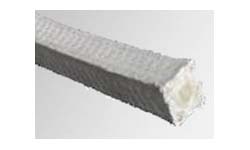
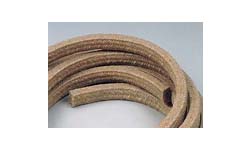
Copyright © 2015-2025 Ningbo Kaxite Sealing Materials Co., Ltd. All Rights Reserved.