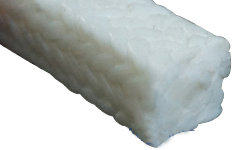
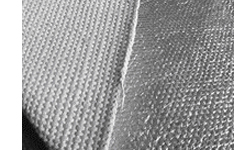
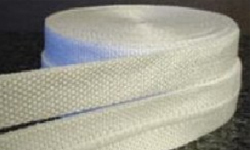
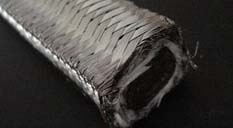
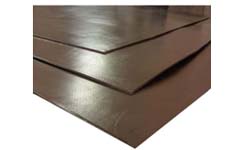
Glass fiber, also known as fiberglass, is a material consisting of numerous extremely fine fibers of glass. It is a lightweight, strong, and robust material used in a vast array of applications, from thermal insulation and soundproofing to the reinforcement of composite materials in automotive, aerospace, marine, and construction industries. Its versatility stems from its unique properties: high tensile strength, non-flammability, chemical resistance, and excellent insulating capabilities. At Kaxite Sealing, we specialize in providing high-performance glass fiber products engineered to meet the most demanding specifications, ensuring durability, safety, and efficiency in your projects.
The widespread adoption of glass fiber is due to a compelling set of physical and chemical properties that outperform traditional materials like steel, aluminum, or wood in specific scenarios.
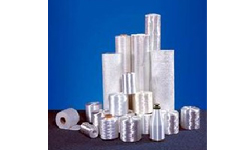
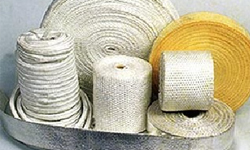
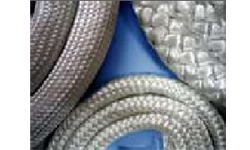
Kaxite Sealing offers a comprehensive range of glass fiber products, each manufactured to the highest standards of quality and consistency. Our product line is designed to cater to diverse industrial and commercial requirements.
| Product Code | Type | Weight (g/m²) | Thickness (mm) | Tensile Strength (N/50mm) | Primary Application |
|---|---|---|---|---|---|
| KX-GF-M100 | Chopped Strand Mat | 300 | 0.8 | ≥ 800 (Warp & Weft) | General purpose laminates, Marine hulls |
| KX-GF-W200 | Woven Roving | 600 | 1.2 | ≥ 2200 (Warp), ≥ 2000 (Weft) | Structural layers in boats, Tanks, Automotive parts |
| KX-GF-F300 | Fine Fabric (Plain Weave) | 200 | 0.3 | ≥ 1000 (Warp), ≥ 900 (Weft) | Surface tissue, Aerospace components, PCB reinforcement |
| KX-GF-U450 | Unidirectional Fabric | 450 | 0.5 | ≥ 3500 (Warp), ≥ 100 (Weft) | High-strength reinforcement in one direction, Wind turbine blades |
| Product Code | Form | Filament Diameter (μm) | Tex (g/1000m) | Packaging | Key Feature |
|---|---|---|---|---|---|
| KX-GF-T50 | Self-Adhesive Tape | 13 | 1200 | 50m x 25mm rolls | High-temperature resistance up to 550°C |
| KX-GF-R75 | Direct Roving | 17 | 2400 | 20kg/package | Excellent compatibility with polyester and epoxy resins |
| KX-GF-S90 | Silane-Coated Roving | 24 | 4800 | 25kg/package | Enhanced resin adhesion for superior mechanical properties |
Quality begins at the source. At Kaxite Sealing, our manufacturing process is a meticulous, multi-stage operation that ensures every strand meets our rigorous standards.
What are the main types of glass fiber?
The main types are classified by their composition: E-Glass (Electrical Grade) is the most common, offering good strength and electrical insulation. S-Glass (Structural Grade) provides higher tensile strength and modulus, used in aerospace and military. C-Glass offers superior chemical corrosion resistance. AR-Glass (Alkali Resistant) is specifically designed for cement reinforcement. Kaxite Sealing primarily deals in high-quality E-Glass and S-Glass formulations.
Is glass fiber safe to handle?
While the cured composite or finished product is inert and safe, handling raw glass fiber materials requires care. The fine fibers can cause temporary skin irritation. It is essential to wear appropriate personal protective equipment (PPE) such as gloves, long sleeves, and safety glasses. Ensure good ventilation when cutting or sanding cured composites to avoid inhaling dust. Kaxite Sealing provides detailed Material Safety Data Sheets (MSDS) with all products.
How does glass fiber compare to carbon fiber?
Glass fiber is less stiff and strong than carbon fiber but is significantly more cost-effective and has greater elongation (it is more flexible and less brittle). Glass fiber also offers better impact resistance and is non-conductive, whereas carbon fiber conducts electricity. The choice depends on the application's requirements for strength, stiffness, budget, and electrical properties. Kaxite Sealing can advise on the optimal material for your project.
Can glass fiber be recycled?
Recycling glass fiber composites is challenging but an area of active development. Mechanical recycling (grinding) produces filler material. Thermal recycling can recover energy. Chemical recycling to separate fibers from resin is promising but not yet widespread. Kaxite Sealing is committed to sustainable practices and supports research into more efficient recycling technologies for composite materials.
What resins are compatible with glass fiber?
Glass fiber is compatible with a wide range of thermosetting resins. The most common are Polyester Resin (economical, good for marine and automotive), Vinyl Ester Resin (superior chemical and moisture resistance), and Epoxy Resin (excellent mechanical properties, strong adhesion, used in high-performance aerospace and sporting goods). The sizing on Kaxite Sealing fibers is formulated for optimal bonding with specific resin families.
How should glass fiber materials be stored?
Store in a cool, dry, and clean environment. The storage area should be free from moisture, direct sunlight, and dust. Unopened packages should be kept sealed. Once opened, materials should be used promptly or resealed tightly to prevent absorption of atmospheric moisture, which can affect performance, especially with certain resins. Kaxite Sealing products are shipped in protective, moisture-resistant packaging.
What are the key factors in choosing a glass fiber product?
Selection depends on the application's mechanical requirements (strength, stiffness), the manufacturing process (hand lay-up, spray-up, pultrusion), the type of resin system, environmental exposure (chemicals, UV, temperature), and cost considerations. Factors like weight, weave style (for fabrics), and filament diameter are critical. The experts at Kaxite Sealing can help you navigate these variables to select the perfect product from our catalog.
Copyright © 2015-2025 Ningbo Kaxite Sealing Materials Co., Ltd. All Rights Reserved.