In the demanding world of industrial sealing, thermal management, and electrical conductivity, few materials offer the unique combination of properties found in flexible graphite. Graphite sheet, also known as flexible graphite or exfoliated graphite sheet, is a versatile engineered material derived from high-purity natural graphite. At Kaxite Sealing, we specialize in manufacturing premium-grade graphite sheets designed to meet the most rigorous application challenges. Our material is produced through a meticulous process of acid treatment and high-temperature expansion, resulting in a foil that is inherently flexible, highly compressible, and exceptionally resilient.
The primary structure consists of layered planes of carbon atoms that slide easily over one another, granting the material its characteristic flexibility and lubricity. This structure is key to its performance as a superior gasket and sealing material, capable of conforming to uneven flanges and maintaining a tight seal under extreme conditions. Unlike traditional materials, Kaxite Sealing's graphite sheet exhibits outstanding performance across a vast temperature range, from cryogenic levels up to continuous service in oxidizing atmospheres and even higher in non-oxidizing environments.
Our graphite sheets are available in various grades, densities, and thicknesses to suit specific requirements. Below are the detailed specifications for our standard industrial-grade material.
| Parameter | Standard Value / Range | Test Method / Conditions | Significance for Application |
|---|---|---|---|
| Density | 1.0 - 1.3 g/cm³ (adjustable) | ASTM D3800 | Determines compressibility, recovery, and sealing force. Lower density offers higher compressibility. |
| Thickness | 0.15mm, 0.2mm, 0.25mm, 0.4mm, 0.5mm, 0.8mm, 1.0mm, 1.5mm, 2.0mm | Micrometer measurement | Choice depends on flange gap, surface finish, and required seal thickness. |
| Tensile Strength (MD) | 4.5 - 7.0 MPa | ASTM D828 | Indicates handling strength and resistance to blow-out in high-pressure differentials. |
| Compressibility | 40% - 60% | ASTM F36 at 35 MPa | Critical for conforming to flange surfaces and ensuring effective sealing with lower bolt load. |
| Recovery | 15% - 25% | ASTM F36 | Ensures the seal maintains contact during thermal cycling and bolt load relaxation. |
| Thermal Conductivity | 80 - 150 W/m·K (in-plane) | ASTM E1461 | Essential for heat spreader applications in electronics and high-temperature gasketing. |
| Temperature Range (Air) | -240°C to +450°C (Continuous) | Long-term aging tests | Defines the operational window for the material in oxidizing atmospheres. |
| pH Value | 5 - 7 (Neutral) | Aqueous extraction | Neutral pH prevents corrosion of flange materials (e.g., stainless steel). |
| Carbon Content | > 99.5% | Thermogravimetric analysis | High purity ensures consistent performance, chemical resistance, and thermal stability. |
| Sulfur Content | < 500 ppm | ASTM D4239 | Low sulfur prevents corrosion in sensitive applications, especially with stainless steel. |
| Creep Relaxation | < 15% | ASTM F38 at 300°C | Low creep ensures the gasket maintains sealing stress over time under temperature. |
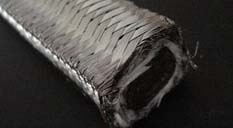
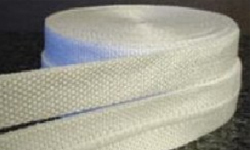
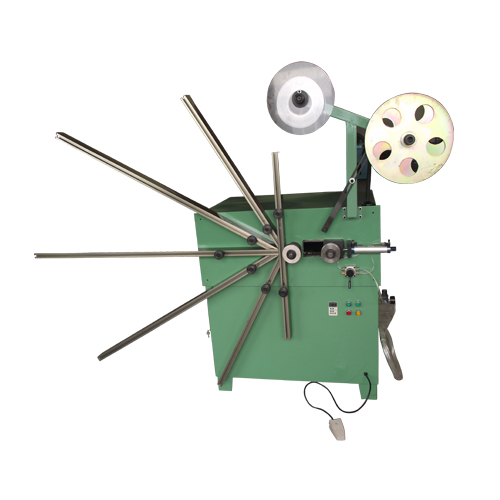
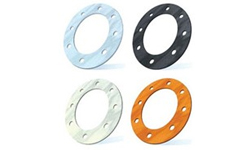
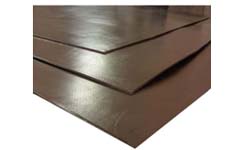
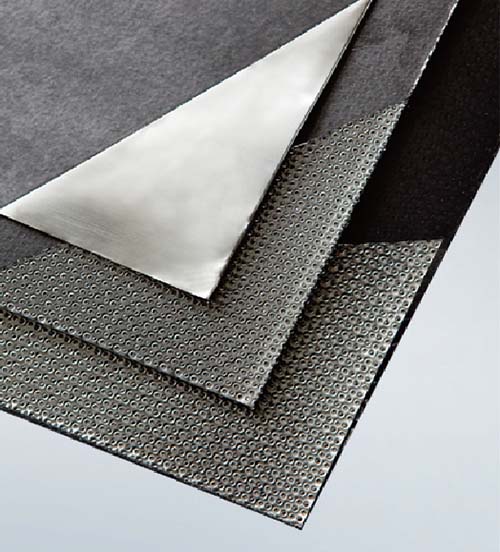
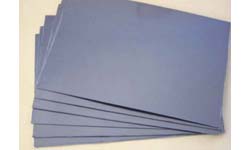
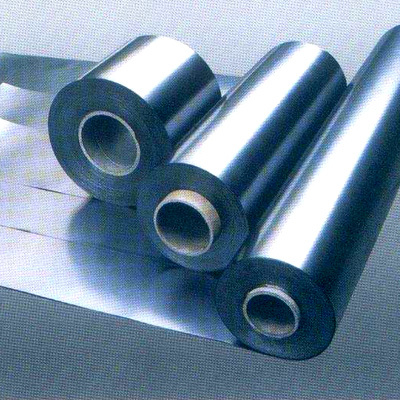
Kaxite Sealing graphite sheets are supplied in multiple forms to facilitate easy installation and enhance performance for specific environments.
What is the main difference between flexible graphite sheet and compressed asbestos fiber (CAF) gaskets?
Flexible graphite sheet is a modern, high-performance replacement for traditional CAF gaskets. Key differences include: Graphite sheet operates at a much wider temperature range, is completely free from hazardous asbestos fibers, offers superior chemical resistance to most acids and alkalis, and provides better thermal conductivity. It also typically requires lower bolt loads to achieve an effective seal due to its higher compressibility and recovery properties. Kaxite Sealing graphite sheet meets environmental and safety regulations worldwide where asbestos is prohibited.
Can Kaxite Sealing graphite sheet be used in food, pharmaceutical, or ultra-pure water applications?
Yes, but with specific considerations. Our high-purity, low-sulfur grades with a neutral pH are suitable for these sensitive applications. However, for systems with strict requirements against any particulate migration, we recommend using our foil-faced graphite sheet. The metal foil (such as 316L stainless steel) creates a complete barrier between the graphite and the media, preventing any potential graphite particle release while maintaining the excellent sealing properties of the graphite core. Always consult our engineering team for application-specific advice.
How do I select the correct thickness and density for my gasket application?
Selection depends on several factors: Flange surface condition, bolt load, pressure, temperature, and media. For uneven or scratched flanges, a thicker sheet (0.8mm-1.5mm) with standard density (~1.1 g/cm³) is better for conformability. For smooth, machined flanges and high-pressure applications, a thinner (0.25mm-0.5mm), slightly higher density sheet provides optimal sealability and blow-out resistance. Lower density sheets offer higher compressibility, which is beneficial for achieving a seal with low bolt torque. Our technical datasheets provide detailed pressure-temperature ratings for each grade and thickness.
Is graphite sheet electrically conductive? Can it cause galvanic corrosion?
Yes, graphite sheet is an excellent electrical conductor in the plane of the sheet. This makes it very effective for applications requiring static dissipation, grounding, or EMI/RFI shielding. Regarding galvanic corrosion: Graphite is cathodic to most common metals. When in direct contact with a more anodic metal (like carbon steel, aluminum, or zinc) in the presence of an electrolyte, it can accelerate corrosion of that metal. In such environments, we recommend using our foil-faced graphite sheet with a foil compatible with the flange material (e.g., stainless steel foil on stainless steel flanges) to act as a barrier and prevent the galvanic couple.
What are the limitations of using flexible graphite sheet?
While extremely versatile, graphite sheet has some limitations to consider: 1) Oxidation at High Temperature in Air: Continuous use above 450°C in air leads to gradual oxidation and thinning. For higher temperatures, special oxidized-resistant grades or different materials are suggested. 2) Strong Oxidizing Agents: It is not recommended for use with strong oxidizing acids (e.g., nitric acid, perchloric acid) or salts at high concentrations, as they can attack the graphite. 3) Fluorine and Fluorine Compounds: Graphite reacts with fluorine at high temperatures. 4) Particulate Migration: In some sensitive systems, loose graphite particles can be a concern, mitigated by using foil-faced or coated products.
How should graphite sheet gaskets be installed and torqued?
Proper installation is crucial. Flange surfaces should be clean, dry, and free of old gasket material and major defects. The graphite sheet gasket should be handled carefully to avoid tearing. It does not require lubricants or adhesives. Use a star-pattern torque sequence to tighten bolts evenly in multiple steps (typically 3 steps) to the final recommended torque value. Because graphite is compressible, a follow-up retorque after 24 hours or after the first heat cycle is often recommended to compensate for initial creep and seating. Always follow the torque recommendations provided by Kaxite Sealing, which are based on gasket thickness, density, and flange design.
Can graphite sheet be used as a thermal interface material (TIM)?
Absolutely. The high in-plane thermal conductivity of Kaxite Sealing graphite sheet makes it an excellent choice for spreading heat laterally in electronic devices, such as between a heat source and a heat sink or chassis. For TIM use, we often supply thinner grades (0.1mm to 0.5mm) and may combine them with pressure-sensitive adhesive (PSA) layers for easy assembly. Its flexibility allows it to conform to minor surface irregularities, improving thermal contact. It is often used in laptops, LED lighting, power electronics, and battery thermal management systems.
Copyright © 2015-2025 Ningbo Kaxite Sealing Materials Co., Ltd. All Rights Reserved.