Imagine this: Your maintenance crew just replaced a flange gasket on a high-pressure steam line. Everything looks tight. Two hours later, you spot a hissing leak and a growing puddle underneath. The root cause often isn’t the gasket material — it’s improper installation. Mastering how do you apply Gasket Tape properly? can mean the difference between a zero-leak system and costly, unplanned downtime. Whether you’re sealing pipe flanges, heat exchangers, or valve bonnets, a flawless tape application is non-negotiable. At Ningbo Kaxite Sealing Materials Co., Ltd., we’ve spent decades helping procurement specialists and maintenance engineers eliminate sealing failures — and it starts with technique. In this guide, we’ll walk you through every critical step, highlight common pitfalls, and show you how the right tape from a trusted manufacturer turns a tedious task into a reliable, long-lasting seal.
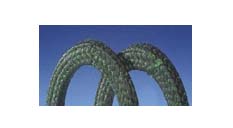
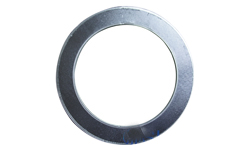
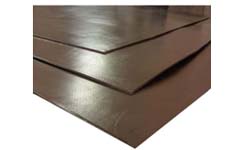
Gasket tape is a flexible, pressure-sensitive adhesive strip manufactured from high-performance materials like PTFE, graphite, mica, or expanded EPDM. Its primary role is to create a resilient seal between irregular or damaged flange surfaces, filling microscopic gaps where conventional gaskets can fail. Procurement teams in petrochemical, power generation, and food processing plants increasingly specify gasket tapes because they reduce inventory complexity and installation time. For instance, PTFE-based tapes withstand aggressive chemicals and temperatures up to 260°C, while graphite tapes excel in high-temperature oxidizing environments.
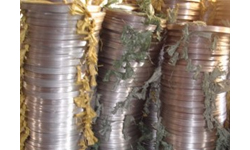
When you ask how do you apply gasket tape properly?, the answer begins with choosing the correct tape for your operating conditions. A refinery worker replacing a heat exchanger gasket must consider chemical compatibility and thermal cycling, whereas a steam system operator prioritizes integrity under pressure. Ningbo Kaxite’s product line addresses this variance by offering customized thickness, adhesive systems, and backing materials — making selection simple. The next section ensures you don’t sabotage a perfect tape with a dirty surface.
Pain point: A purchasing manager orders a high-quality graphite tape, only to receive complaint calls from the maintenance department about leaks hours after startup. The flange faces were never properly cleaned.
Solution: Dedicate time to surface preparation. Start by removing old gasket residue, rust, and oil using a stiff wire brush and an approved solvent (e.g., isopropyl alcohol). Inspect the flange face for pitting, radial scratches, or warping — any defect deeper than 0.5 mm can cause leakage even with the best tape. Dry the surface completely because moisture weakens pressure-sensitive adhesives. Finally, measure the flange circumference and cut a tape length 10% longer than required to account for overlap.
This step is where many teams scramble, yet it’s exactly where how do you apply gasket tape properly? shifts from theory to practice. With a pristine, dry surface, the adhesive bond can develop its full strength. Large flanges benefit from using a release liner wedging technique that prevents tape wrinkling during positioning. Always keep the tape in its sealed pouch until the moment of application to avoid contamination from airborne dust.
Here’s a scene-based walkthrough: A senior technician at a chemical plant leans over an FRP flange. He holds a roll of Kaxite PTFE gasket tape and follows these exact moves:
Q: How do you apply gasket tape properly when the flange has an odd shape, like an oval manway?
A: Pre-cut the tape in segments for each straight section and radius. Lay the straight pieces first, then use mitered corners for sharp turns, always maintaining the 50% overlap on the bolt side. Ningbo Kaxite engineers recommend using a removable alignment guide — often a thin PVC strip — to keep the tape centered on narrow sealing faces.
This process turns a reactive maintenance job into a controlled, repeatable procedure. The next section addresses errors even experienced staff can overlook.
Mistake 1: Stretching the tape during installation. PTFE tape is inherently compliant, but excessive pulling reduces cross-sectional thickness, creating a low-pressure zone that can blow out under operation. Correct approach: Let the tape unwind naturally, applying tension only to maintain alignment.
Mistake 2: Ignoring ambient temperature. Cold conditions make adhesives stiff and less tacky. If the workshop temperature drops below 10°C, warm the tape roll to room temperature for 30 minutes before use.
Mistake 3: Using a tape that’s too narrow. A tape width smaller than the flange face leaves edges unsealed. Measure the distance between the bolt circle and the flange inner edge, and select a tape that covers at least 75% of that radial length.
Q: How do you apply gasket tape properly when you must work on a vertical flange in a tight space?
A: Use a spray adhesive primer on the flange face (ensure chemical compatibility). Then position the tape from top to bottom, securing the top end with a small binder clip that hangs over the flange until the bolt-up compresses it. Kaxite’s high-tack adhesive series is formulated to hold vertical loads without sliding, even in humid conditions.
Recognizing these pitfalls helps your team avoid the most common leakage modes. Now let’s compare the actual materials you’ll stock.
Procurement specialists need data to justify material choices. Below is a comparison of popular gasket tapes, including those manufactured by Ningbo Kaxite Sealing Materials Co., Ltd., to match your specific operating environment.
| Material | Max Temperature (°C) | Max Pressure (bar) | Chemical Resistance | Typical Applications |
|---|---|---|---|---|
| Expanded PTFE Tape | 260 | 200 | Excellent (acids, solvents) | Chemical flanges, glass-lined equipment |
| Flexible Graphite Tape | 450 (in steam) | 250 | Excellent (excludes strong oxidizers) | Steam lines, heat exchangers, turbines |
| Mica Tape | 1000 | 150 | Good (alkalis, hydrocarbons) | Furnace doors, exhaust ducts |
| EPDM/Neoprene Tape | 120 | 100 | Moderate (water, mild acids) | Water treatment, low-pressure piping |
When you ask how do you apply gasket tape properly?, remember that the technique must match the tape’s physical properties. For example, graphite tape is more friable and requires gentler rolling, while PTFE tape can be burnished at the overlap. Ningbo Kaxite provides application-specific datasheets with every shipment to remove this guesswork.
Q: Can I reuse gasket tape after the flange has been opened?
A: Generally, no. Once compressed, the tape conforms to the specific surface irregularities and will not rebound perfectly to reseal. However, if the inspection reveals no tearing or adhesive transfer, a new layer of tape can be applied after careful cleaning. Always consult the manufacturer’s guidelines — Kaxite’s technical support team provides rapid feedback for such cases.
Q: How do you apply gasket tape properly when replacing a conventional gasket on a large diameter flange?
A: Remove all old gasket residue mechanically; do not rely on solvents alone. Apply a thin bead of Kaxite’s approved joint compound to the flange face before placing the tape, which fills deep scratches and improves initial tack. Then follow the scarf joint technique described earlier. Large flanges (>24 inches) often need two rollers working simultaneously from opposite sides to ensure bubble-free adhesion.
We’ve covered the how; now it’s time to consider which manufacturer can truly support your operations.
Applying gasket tape correctly changes the reliability of every flanged joint in your facility. When you partner with Ningbo Kaxite Sealing Materials Co., Ltd., you get more than just a roll of tape. You receive application training, custom size availability, and a materials portfolio that covers every extreme condition — from cryogenic to high-temperature, from aggressive chemistry to potable water. Let’s discuss how our solutions can cut your maintenance costs. Visit our website at https://www.ptfe-rods.com or contact our technical team directly at [email protected] for free samples and a seal performance audit.
1. Anderson, R. T., 2019. "Adhesion Mechanics of PTFE-Based Pressure-Sensitive Tapes in Flanged Joints." Journal of Applied Sealing Technology, 17(4).
2. Bauer, L. M. & Chen, Y., 2017. "Long-Term Creep Relaxation Behavior of Flexible Graphite Gasket Tapes at Elevated Temperatures." International Journal of Pressure Vessels and Piping, 156.
3. Dietrich, K., 2020. "Surface Energy Effects on Gasket Tape Bonding: A Comparative Study." Sealing Technology Review, 2020(2).
4. Huang, Q., et al., 2016. "Influence of Installation Overlap Geometry on Leak Tightness of PTFE Gasket Tapes." Journal of Sealing and Fluid Science, 8(1).
5. Lesmana, D. A., 2021. "Performance of Mica-Based Tapes in Extreme Thermal Cycling Applications." Materials Science Forum, 987.
6. Mueller, P., 2018. "Validation of On-Site Gasket Tape Application Procedures for Large Diameter Flanges." Proceedings of the ASME Pressure Vessels and Piping Conference, PVP2018-84512.
7. Nakamura, H., 2015. "Effect of Bolt Load Uniformity on the Sealing Performance of Expanded Graphite Tape." Journal of High Pressure Engineering, 25(3).
8. O’Reilly, S. & Singh, T., 2022. "Aging Characteristics of EPDM Tapes Under UV and Ozone Exposure in Municipal Water Systems." Polymer Degradation and Stability, 198.
9. Schmidt, G. W., 2019. "Evaluating the Role of Surface Roughness in Gasket Tape Adhesion: Implications for Field Applications." International Journal of Adhesion and Adhesives, 92.
10. Zhang, M. & Li, X., 2020. "Comparative Analysis of PTFE and Graphite Tapes for Fugitive Emission Control in Refinery Flanges." Environmental Science and Pollution Research, 27.
Copyright © 2015-2025 Ningbo Kaxite Sealing Materials Co., Ltd. All Rights Reserved.