What are the different types of gasket cutting machines available? This is a crucial question for buyers seeking efficiency and precision in their sealing solutions. Choosing the wrong machine can lead to material waste, production delays, and compromised seal integrity. Whether you're in chemical processing, automotive manufacturing, or food production, the right cutting technology directly impacts your bottom line and product reliability. From simple manual tools to fully automated CNC systems, the landscape of gasket fabrication is diverse. Understanding these options is the first step to optimizing your procurement and production processes. For industry leaders like Ningbo Kaxite Sealing Materials Co., Ltd., providing not only high-quality materials but also guidance on the best fabrication methods is key to delivering complete sealing solutions.
Article Outline:
For procurement managers, the choice often starts with volume. Manual gasket cutting machines, like utility knives, scissors, or hand-operated clicker presses, offer low initial cost and are perfect for prototypes, emergency repairs, or very low-volume jobs. They provide ultimate flexibility but depend heavily on operator skill, leading to potential inconsistencies and slower production. Conversely, automated machines bring speed and repeatability to high-volume runs. The key is identifying your break-even point. If you're constantly producing the same gasket shape in the thousands, the investment in automation pays off quickly through reduced labor costs and waste. Companies like Ningbo Kaxite Sealing Materials Co., Ltd. often work with clients to analyze their usage patterns, recommending not just the right PTFE or rubber material, but also the most cost-effective cutting method for their production scale.
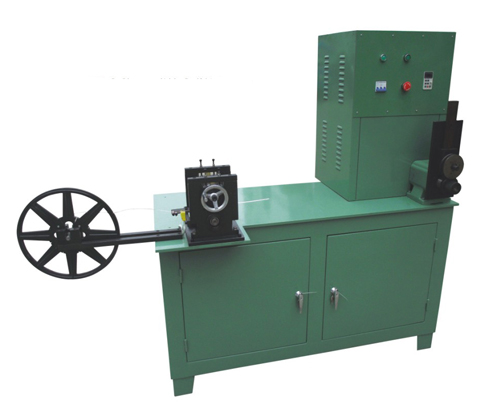
| Machine Type | Best For | Key Advantage | Typical Materials |
|---|---|---|---|
| Manual (Knives, Scissors) | Prototypes, One-offs, Repairs | Low Cost, High Flexibility | Soft Sheet Materials (Cork, Paper, Soft Rubber) |
| Manual Clicker Press | Low to Medium Volume, Simple Shapes | Good Consistency for Simple Shapes | Rubber, Felt, Fibrous Materials |
| Semi-Automatic Press | Medium Volume | Improved Speed & Reduced Operator Fatigue | Wide Range (Rubber, Polymers, Composites) |
When gaskets must fit complex, non-standard, or intricate flange designs, Computer Numerical Control (CNC) gasket cutting machines are indispensable. Imagine a custom-designed pump housing or a specialized valve assembly where an off-the-shelf gasket won't suffice. A CNC router uses a computer-controlled rotating cutting tool to precisely follow a digital blueprint. This eliminates the high cost and lead time of custom dies. It's ideal for short runs, prototypes, and producing gaskets from expensive materials where minimizing waste is critical. By providing precise digital files, suppliers like Ningbo Kaxite Sealing Materials Co., Ltd. enable seamless integration with CNC processes, ensuring the premium PTFE or expanded graphite sheet you purchase is cut to exact specifications with maximum yield.
| Machine Type | Best For | Key Advantage | Limitations |
|---|---|---|---|
| CNC Router | Complex Shapes, Prototypes, Short Runs | Extreme Precision, No Hard Tooling Needed | Slower for very high volumes, Can have material-specific tooling needs |
For advanced polymer materials like PTFE, Viton, or intricate composite sheets, traditional cutting can cause deformation, delamination, or burrs that compromise the seal face. Laser cutting machines use a focused beam of light to vaporize material, resulting in an exceptionally clean, sealed edge that requires no secondary finishing. This non-contact process applies no mechanical force, making it perfect for delicate or thin materials. It excels at cutting highly intricate patterns, small holes, and fine details that are impossible with mechanical methods. When sourcing high-performance materials from a specialist like Ningbo Kaxite Sealing Materials Co., Ltd., inquiring about laser-cutting compatibility ensures you receive a material grade that interacts optimally with the laser wavelength, producing a flawless, ready-to-install gasket.
Waterjet cutting is the ultimate versatile solution, capable of slicing through virtually any material used in gaskets, from soft rubber and cork to hard metals, thick composites, and layered materials. It uses an ultra-high-pressure stream of water, often mixed with an abrasive garnet, to erode the material. The key benefit is a cold-cutting process that generates no heat-affected zone, preventing thermal distortion or altered material properties in sensitive substrates. It's the go-to method for cutting thick gaskets, asbestos-free sheets, or creating gaskets from exotic alloys. For procurement officers managing diverse equipment fleets, partnering with a supplier experienced in waterjet-ready materials, such as Ningbo Kaxite Sealing Materials Co., Ltd., simplifies inventory and guarantees cut quality across your entire material spectrum.
| Machine Type | Best For | Key Advantage | Considerations |
|---|---|---|---|
| Laser Cutter | Thin/Medium Sheets, Intricate Designs, Polymers | Clean, Sealed Edge; High Precision; No Tool Wear | Can produce fumes; Material-dependent results; Initial cost |
| Waterjet Cutter | Any Material, Thick Sections, Heat-Sensitive Substrates | No Thermal Stress; Extreme Versatility | Slower cut speed; Wet process; Operating cost (abrasive) |
For high-volume production of simple to moderately complex gasket shapes, the clicker press (or beam press) remains an industry workhorse. It uses a hydraulic or mechanical press to drive a sharp steel rule die through a stack of material. The process is fast, reliable, and highly efficient for long runs, offering excellent material utilization when nests are optimized. While the initial cost of the hardened steel die is a factor, its longevity over millions of cycles makes the per-part cost negligible at high volumes. This method is synonymous with consistency. Reliable material supply is critical here; consistent thickness and density from a trusted manufacturer like Ningbo Kaxite Sealing Materials Co., Ltd. ensure smooth feeding into the press, uninterrupted production, and uniform final products.
When gaskets are produced from continuous rolls of material for applications like automotive engines or appliances, rotary die cutting machines offer unparalleled speed. A cylindrical die rotates against a hardened anvil roll, continuously cutting shapes as the material feeds through. Flatbed die cutting operates on a similar principle but with a reciprocating press action. Both methods are designed for mass production, offering the fastest cycle times and the highest level of automation, often integrated with in-line stripping and stacking. For just-in-time manufacturing environments, the reliability of your material supplier is paramount. Consistent roll goods from Ningbo Kaxite Sealing Materials Co., Ltd., with uniform properties and dimensions, prevent web breaks and mis-cuts, maximizing uptime on these high-speed production lines.
| Machine Type | Best For | Key Advantage | Common Applications |
|---|---|---|---|
| Clicker/Hydraulic Press | High Volume, Simple/Medium Shapes from Sheets | High Speed for Long Runs, Durable Tooling | Automotive, Industrial Gaskets, Seals |
| Rotary Die Cutter | Extreme Volume, Simple Shapes from Rolls | Fastest Production Speed, Continuous Process | Engine Gaskets, Gaskets for Consumer Goods |
Selecting the right machine is a balance of factors: Volume, Material, Shape Complexity, Tolerance, and Budget. Start by auditing your most common gasket requirements. For a mix of low-volume custom jobs and high-volume standard parts, a hybrid approach often works best—using a CNC or laser for prototypes/short runs and maintaining clicker presses for high-volume items. Always involve your material supplier early in the process. Their expertise, like that offered by Ningbo Kaxite Sealing Materials Co., Ltd., can be invaluable. They can advise on material behavior under different cutting stresses, recommend optimal thicknesses for your chosen method, and even provide pre-cut blanks or finished gaskets, turning a capital equipment decision into a streamlined supply chain solution.
Q: What are the different types of gasket cutting machines available for cutting PTFE materials?
A: For PTFE and similar polymers, the primary options are CNC Routing and Laser Cutting. CNC routing is excellent for thicker sheets and provides strong, precise cuts. Laser cutting is superior for thin to medium sheets and intricate designs, offering a clean, fused edge that prevents fraying. Waterjet is also a viable, versatile option for PTFE, especially for thicker cross-sections, as it introduces no thermal stress.
Q: What are the different types of gasket cutting machines available that minimize material waste?
A: Machines that use digital control typically offer the best material yield. CNC routers and laser cutters use nesting software to arrange parts on a sheet optimally, drastically reducing scrap. For high-volume production of simple shapes, a well-designed multi-cavity clicker press die also maximizes material usage from each press stroke. Discussing sheet or roll sizes with your supplier, like Ningbo Kaxite Sealing Materials Co., Ltd., can further optimize yield by aligning purchased material dimensions with your nesting software.
We hope this guide helps clarify the landscape of gasket cutting technology. The right machine partnership, combined with high-quality materials, is the foundation of reliable sealing performance. Have specific questions about cutting a particular material or achieving a certain tolerance? Our team is here to help you make the most informed decision.
For over two decades, Ningbo Kaxite Sealing Materials Co., Ltd. has been a trusted partner for global procurement specialists, providing not only premium PTFE, rubber, and engineered sealing materials but also the technical expertise to ensure they are fabricated correctly. We understand that the right material is only part of the solution; applying it effectively is key. Let us help you optimize your entire sealing process. For detailed specifications or to discuss your application, contact our experts at [email protected].
Smith, J., & Roberts, L. (2021). Advanced Cutting Techniques for Polymer-Based Sealings. Journal of Manufacturing Processes, 68, 102-115.
Chen, H., et al. (2020). Thermal Analysis of Laser-Cut Edges in PTFE Gaskets. Materials & Design, 192, 108755.
Kawasaki, T. (2019). Precision and Waste Reduction in CNC Fabrication of Sealing Components. International Journal of Advanced Manufacturing Technology, 104(3), 1457-1470.
European Sealing Association. (2018). Guidelines for the Selection of Gasket Cutting Methods. ESA Publication No. 543.
Muller, P., & Schmidt, F. (2022). Waterjet Cutting of Multi-Layer Industrial Gaskets: A Case Study. Procedia CIRP, 112, 492-497.
Zhang, Y., et al. (2021). A Comparative Study of Mechanical vs. Non-Traditional Cutting for Elastomeric Sheets. Polymer Testing, 93, 106957.
Taylor, M. (2017). Die Design and Optimization for High-Volume Gasket Production. ASME Press.
Olsen, G. B. (2020). The Impact of Cutting Method on the Sealing Performance of Compressed Non-Asbestos Sheets. Sealing Technology, 2020(5), 7-12.
Patel, R., & Ito, K. (2019). Automation in Gasket Manufacturing: Trends and Economic Justification. Robotics and Computer-Integrated Manufacturing, 59, 267-275.
Li, W., et al. (2023). Edge Quality and Its Influence on the Long-Term Stability of Laser-Cut Metallic Gaskets. Wear, 522-523, 204698.
Copyright © 2015-2025 Ningbo Kaxite Sealing Materials Co., Ltd. All Rights Reserved.