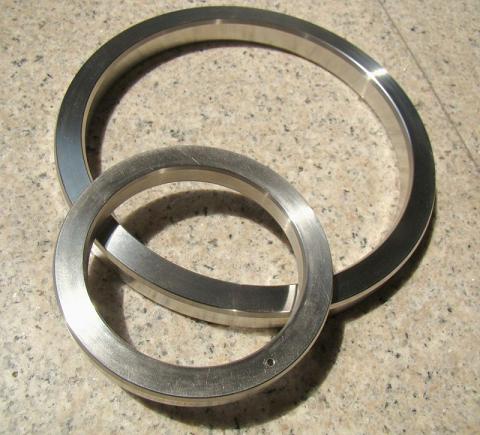
Ring joint gaskets are commonly manufactured from materials such as soft iron, low carbon steel, stainless steel, and various alloys, selected to meet specific service conditions including pressure, temperature, and corrosion resistance.
This article examines whether established industry standards exist for double jacket gaskets and discusses their implications for manufacturing and application.
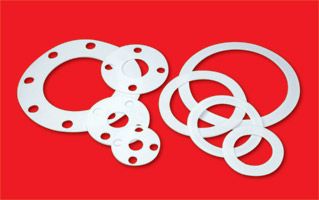
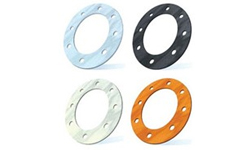
The thickness of a PTFE gasket for a flange connection depends on factors like flange surface finish, bolt load, and operating conditions. Generally, 1.5 mm to 3 mm is common for standard flat-face flanges, while thicker gaskets may be needed for uneven surfaces. Always consult the flange standard or manufacturer's recommendations for your specific application.
Serrated gaskets are sealing components with concentric grooves machined into their metal surfaces, often with a soft facing layer. They work by concentrating bolt load onto the serrations, creating multiple high-pressure sealing lines that bite into the flange faces and fill imperfections, ensuring a tight, reliable seal under extreme temperature and pressure conditions.
Learn about the maximum pressure limits of non-asbestos gaskets, including the factors that influence their performance and how to select the right gasket for high-pressure applications.
We use cookies to offer you a better browsing experience, analyze site traffic and personalize content. By using this site, you agree to our use of cookies.Privacy Policy


 17 2026-06
  16 2026-06
  15 2026-06
  09 2026-06
  05 2026-06
  01 2026-06